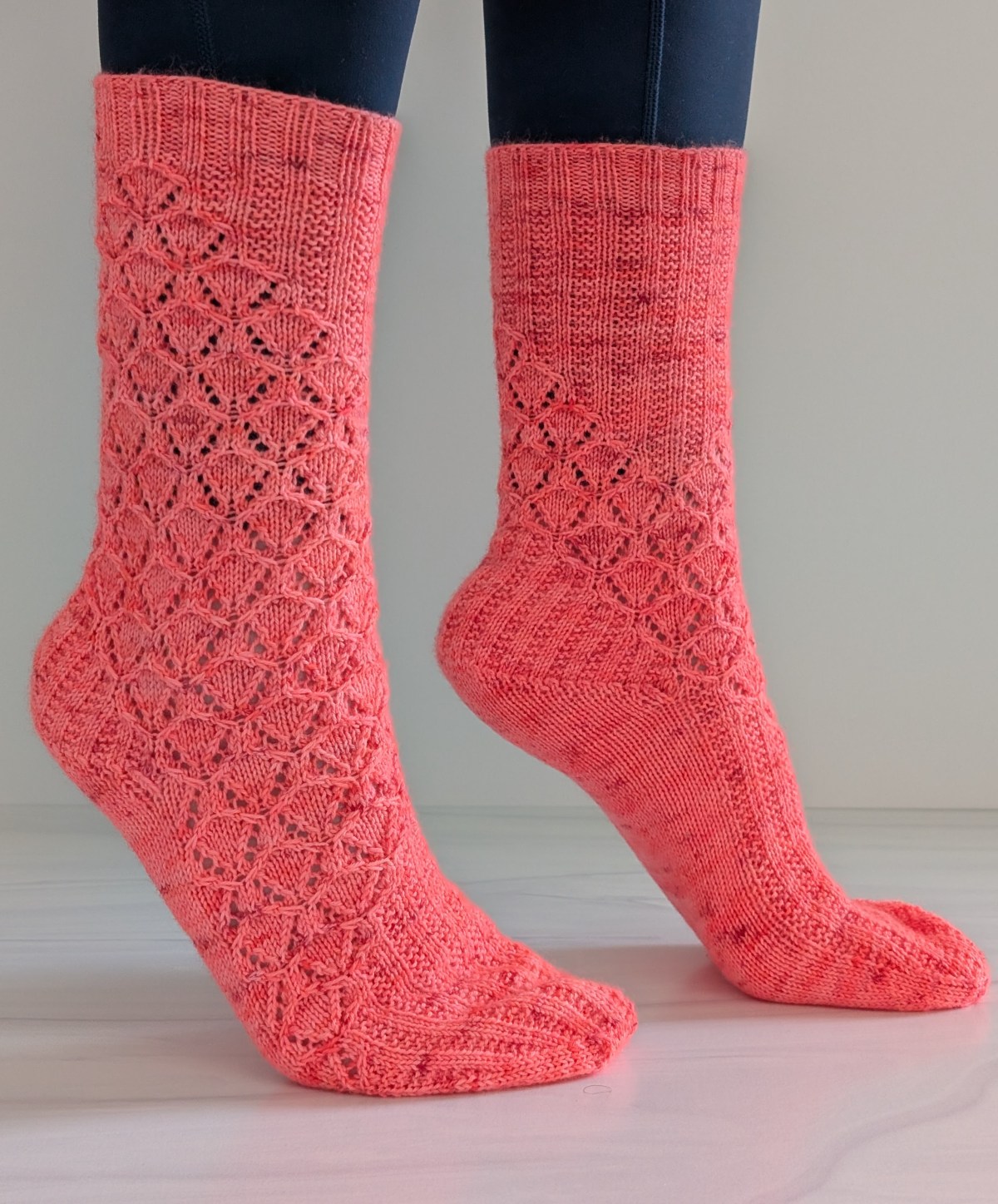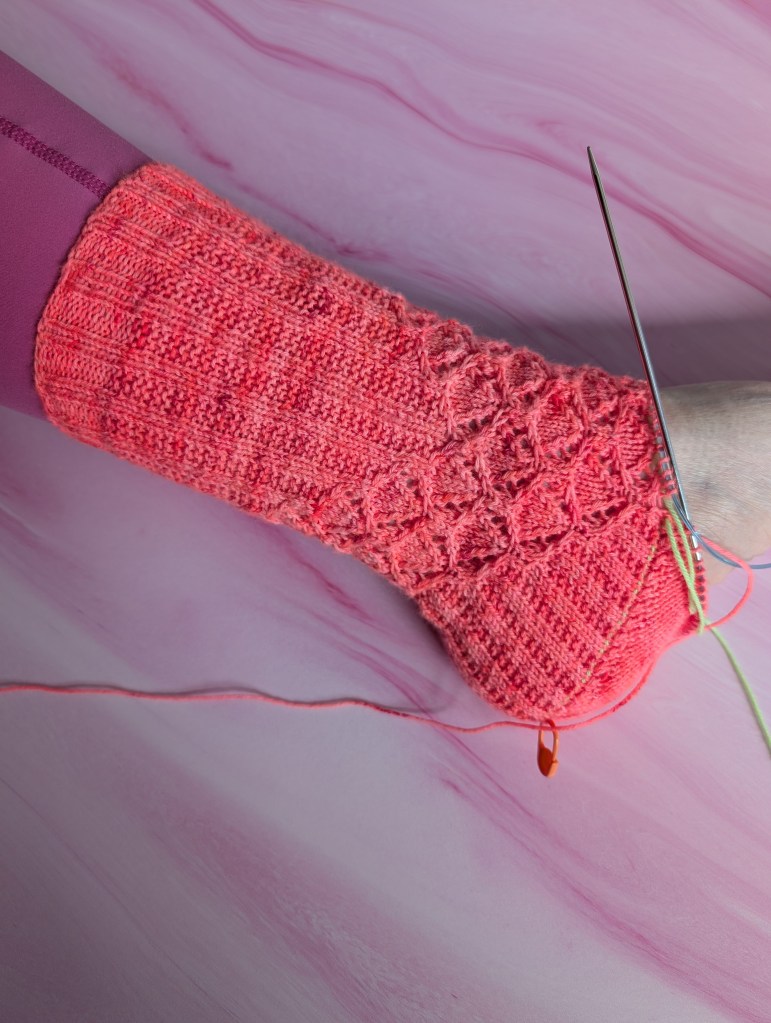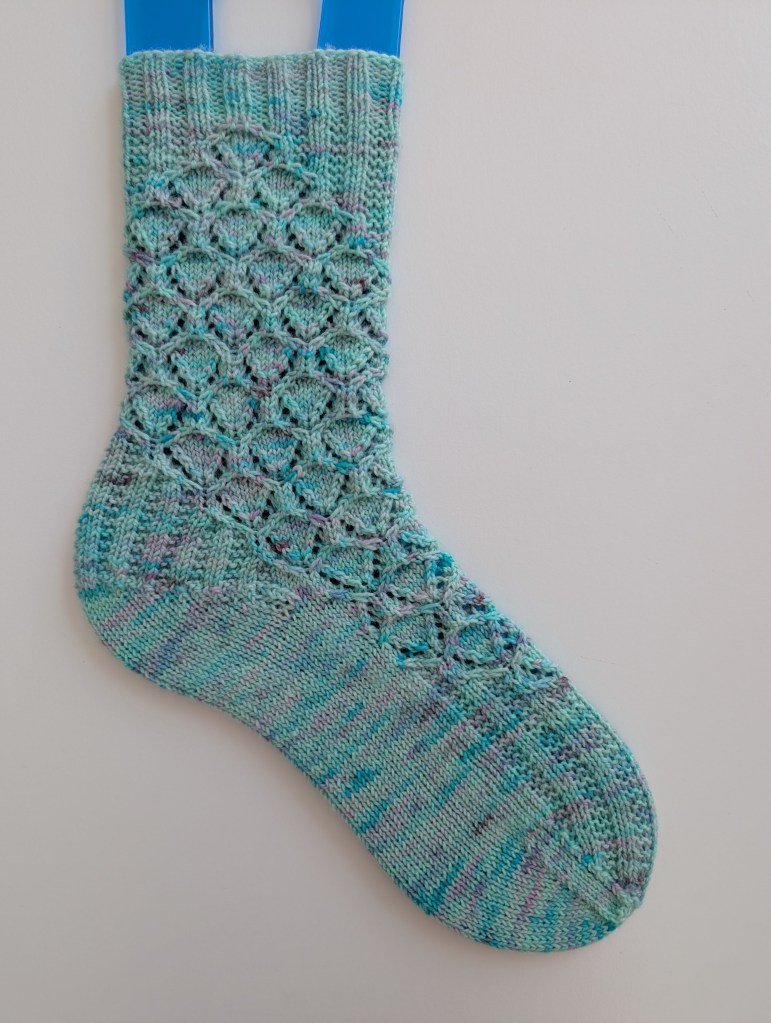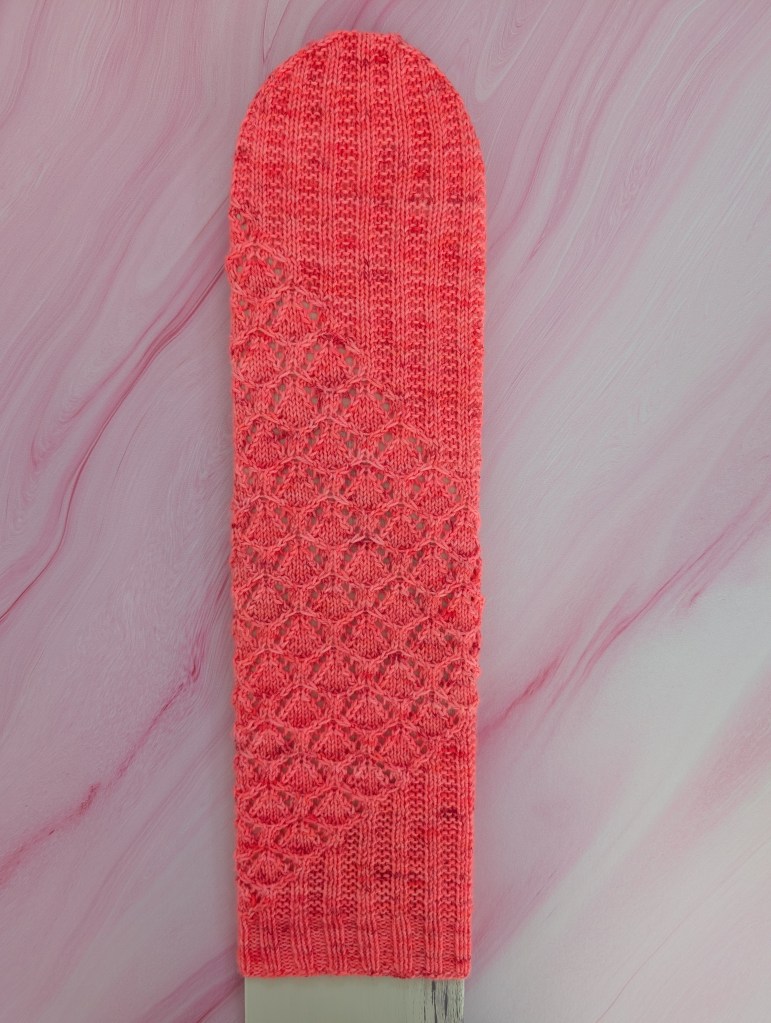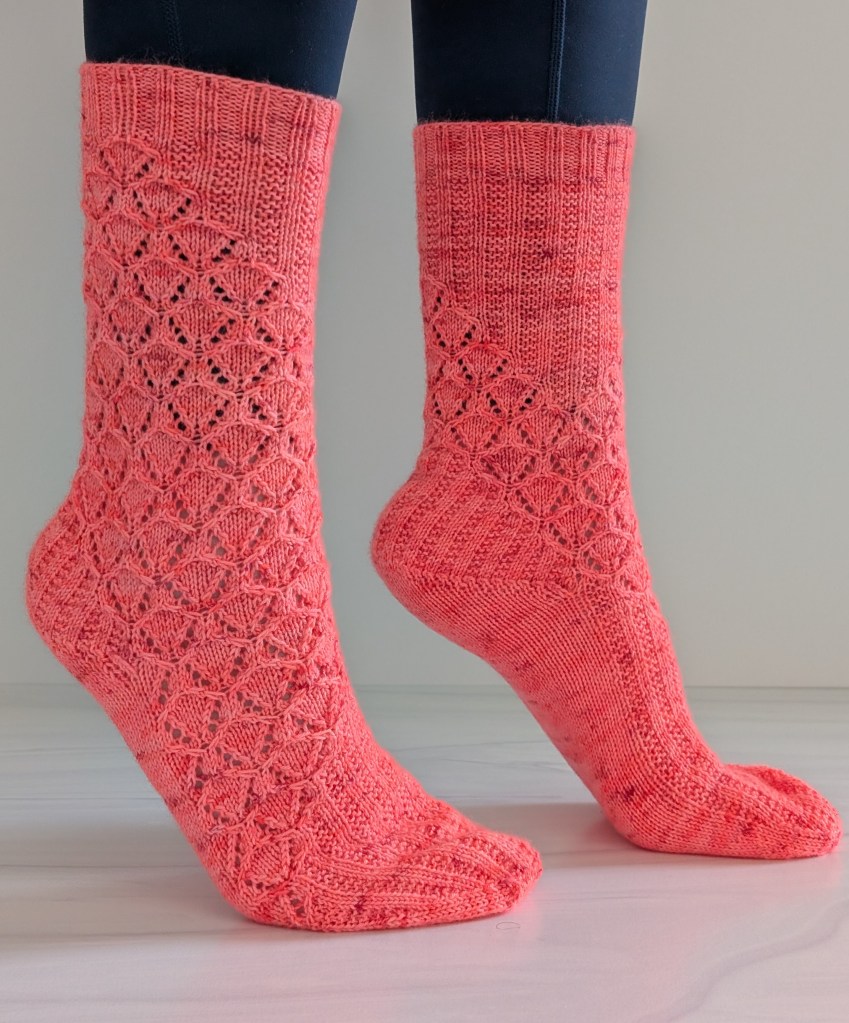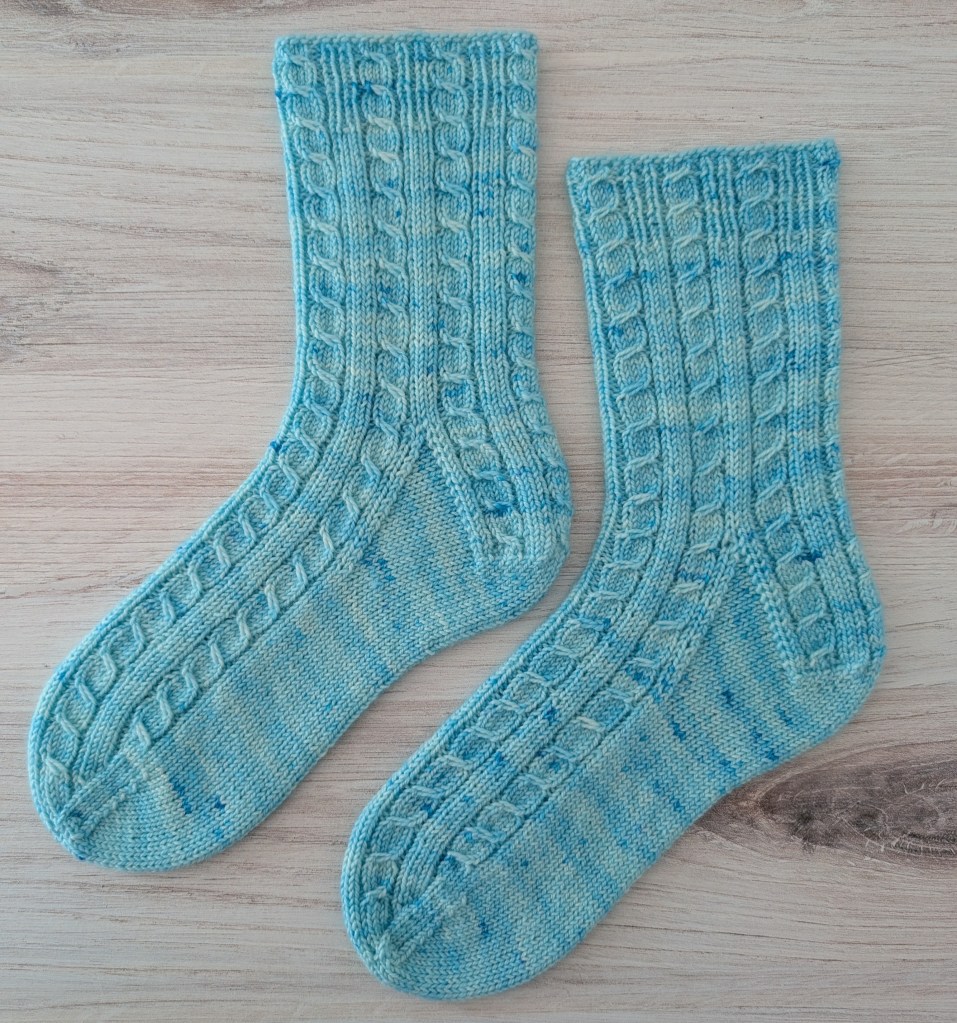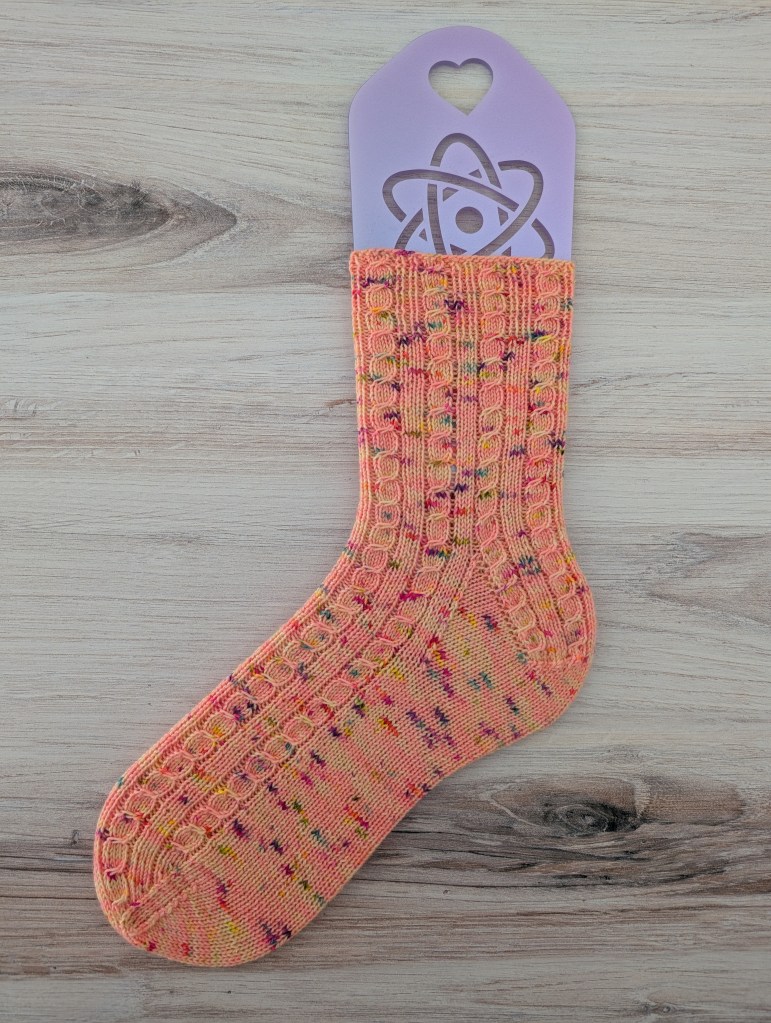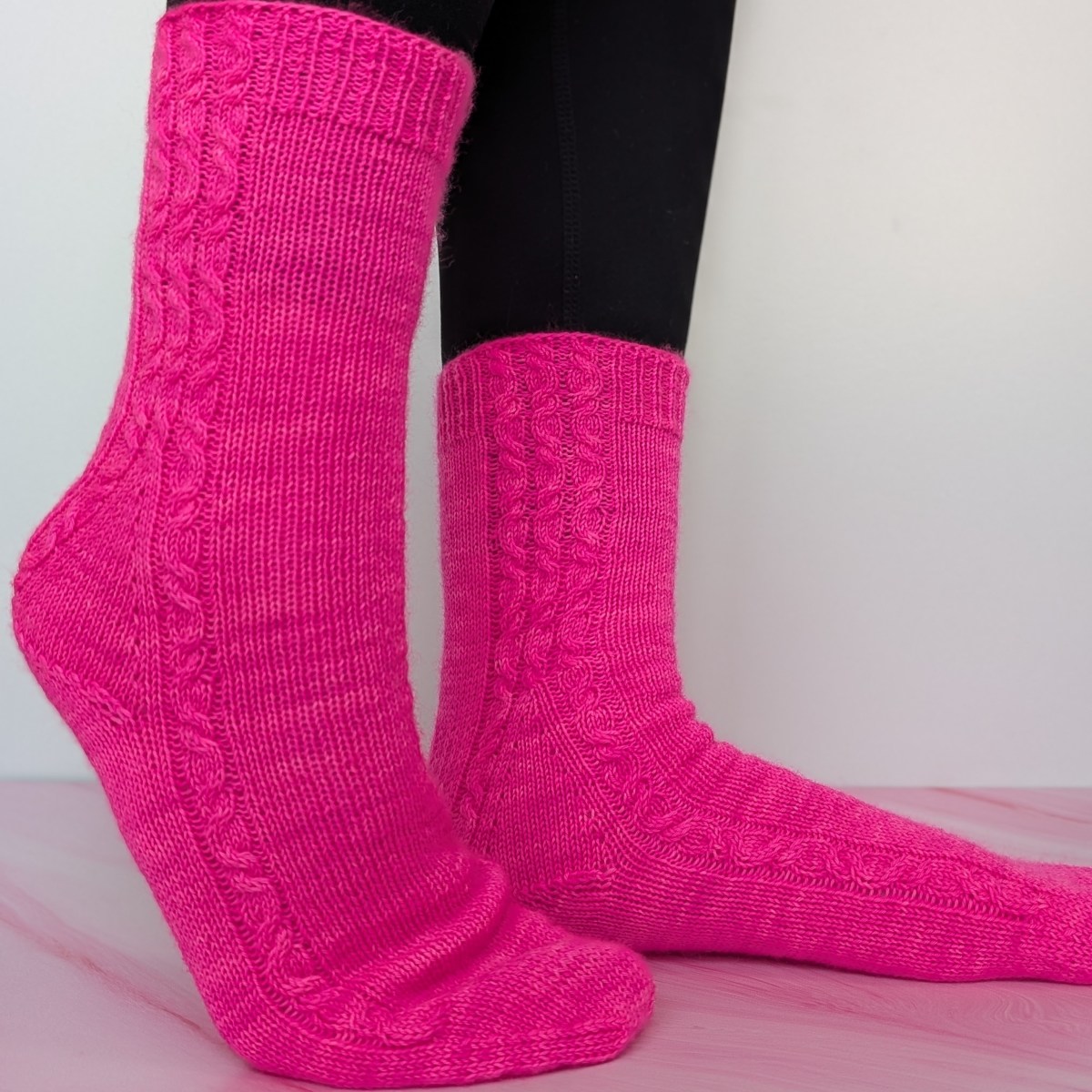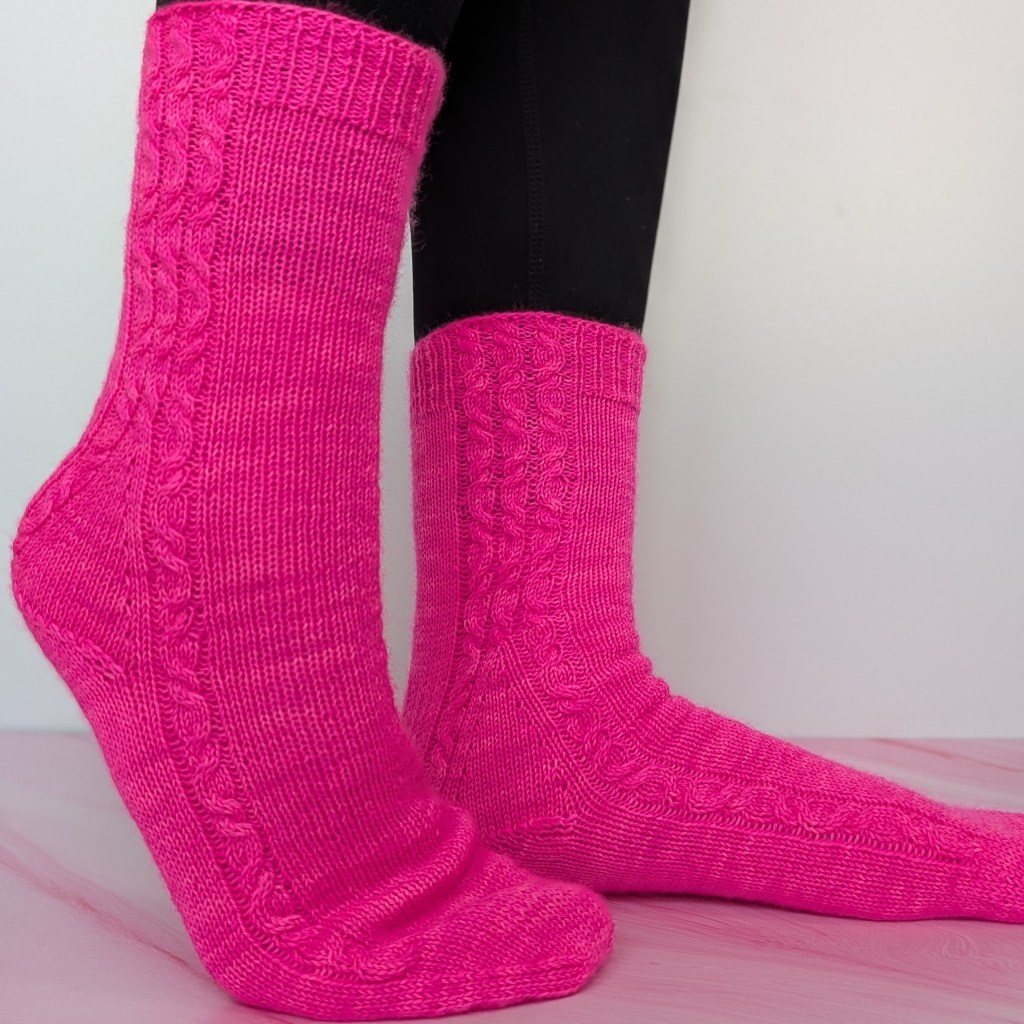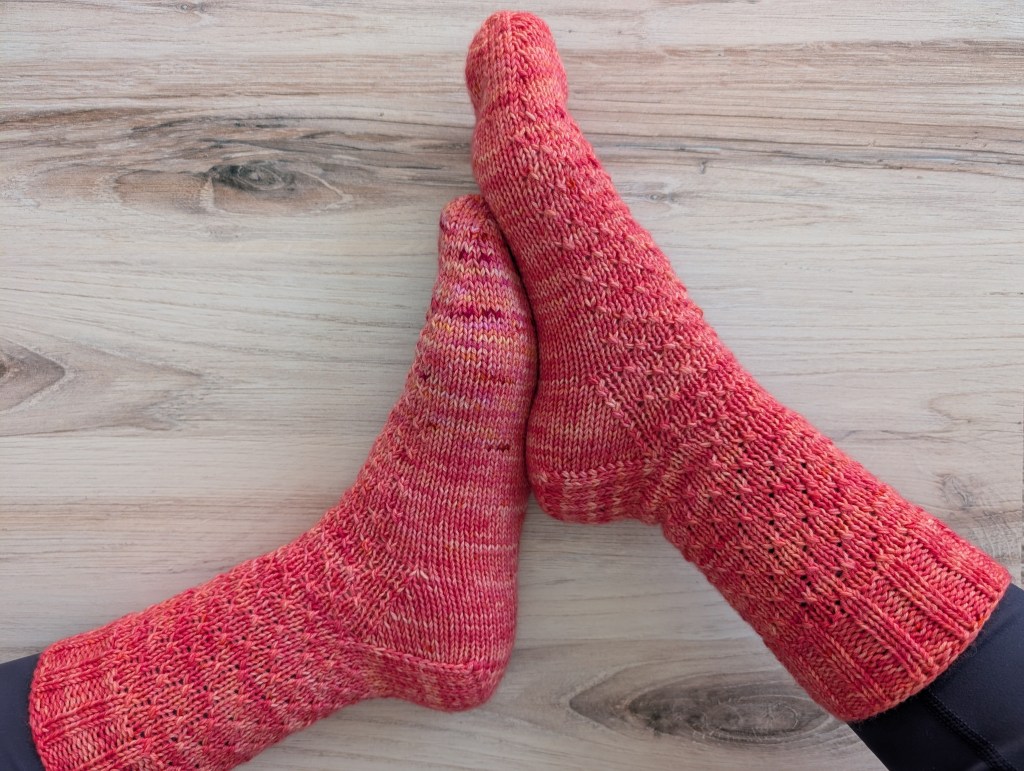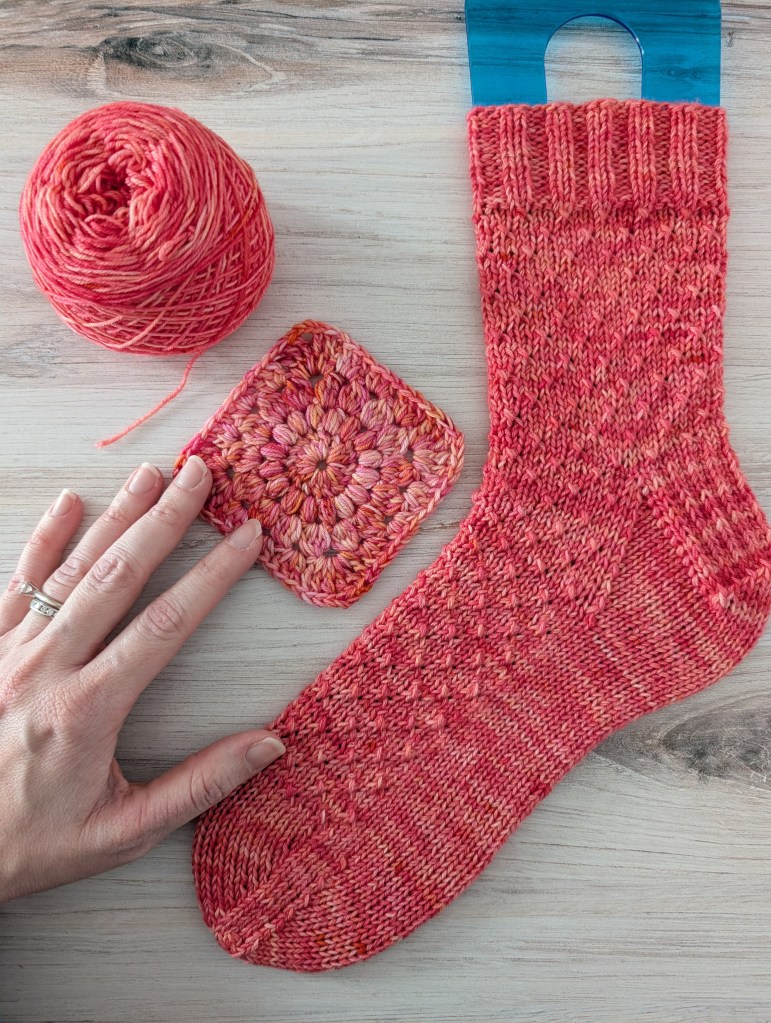
Hello, my dear subscribers and visitors! I am so excited to share that my next pattern will be released as part of a Mystery Knit-Along (MKAL). This is my very first mystery design, and I cannot wait to share it with you!
Last summer, fellow sock designer and knit-along enthusiast Linda reached out to me to ask if I would design an MKAL pattern for the SolidSocks group over on Ravelry for their September/October 2026 MKAL. I feel so honored and excited to have been asked, and of course I said yes. I’m happy to report that the pattern is all ready to go!
When designing these socks, my overall goal was to create a sock that would be fun, interesting, fall-themed, cozy, and with all of my favorite sock techniques and details. Additionally, I wanted to add an element of mystery to the design so that I could keep you guessing with what will come in each clue. It’s still my design and my style, and I think it is representative of what I like to include in a sock pattern.
So here are the details:
Pattern Access
Download here – Gourdgeous MKAL Socks Pattern
Cost – $5 USD or FREE with coupon code PUMPKINS through October 1, 2026.
Be sure to check out with the pattern in your cart to have the pattern added to your library and receive automatic email updates whenever the next clue releases.
After check out, you’ll be able to download the Gourdgeous MKAL Socks INFO pdf, and it will have all of the information about materials and what you’ll need to knit the socks.
Joining the MKAL
If you’d like to join in on the Mystery Knit-Along adventure, pop over to the SolidSocks Group on Ravelry, and join us! There is a dedicated thread for the MKAL.
Or, if you’d prefer to be a silent participant, that’s totally okay, too!
We’ll use the hashtag #GourdgeousMKALSocks over on Instagram.
MKAL Schedule
The four clues will be released around 9:00 EDT on the following dates:
Clue 1 – Tuesday, September 1, 2026
Clue 2 – Tuesday, September 8, 2026
Clue 3 – Tuesday, September 15, 2026
Clue 4 – Tuesday, September 22, 2026
Yarn Details
Yarn support for this design was kindly provided by JoAnna of Knit Spin Farm. She has seen a sneak peek of the design and has dyed some fabulous colorways just for the KAL! Pop over to her website to check them out and support her if you can! At the time of writing, the colorway that I used for the original design, Pumpkin Soup, is still in stock!
If you prefer to work from stash, that’s totally acceptable! I recommend a solid colorway in your favorite vanilla sock yarn. I used JoAnna’s BFL/nylon light fingering yarn since it is similar in weight to what I prefer to work with. Finished sock measurements and recommended fit can be found on the Pattern Page/in the MKAL Pattern Info PDF that you’ll receive when you check out. As always, I recommend casting on the size that you normally cast on for vanilla socks using your favorite vanilla sock yarn and needles.
I did find that this design uses about 20% more yarn than my comparable patterns, so I recommend a longer skein if you have it available.
What to Expect
Each week on the clue release date, the new clue pdf for the pattern will be uploaded to Ravelry, and you should receive an automatic email with the pattern update. Sometimes if there’s heavy traffic on the site, this can get a bit slowed down, so you can always go to your purchases or email receipt to update the pattern after 9:00 EDT on the release date.
If you are participating in the group thread, you’ll get to see how far others have gotten and whether any questions have popped up. I’ll be answering them in the thread for the duration of the MKAL.
I’ll also be sharing the clues on my Instagram account, so if you prefer to keep the design a complete mystery, be sure to avoid the thread/social media until you’ve knit the clue. (I always love seeing sneak peeks of what I’ll be knitting.) I will wait until the final clue has been released to post here on the blog/show up in your inbox.
The pattern is INTERMEDIATE in difficulty, and although I can’t tell you much else because it’s a mystery, you’ll find that the pattern is primarily charted, with separate charts for each size.
Other Odds and Ends
The pattern has been tech edited and test knit.
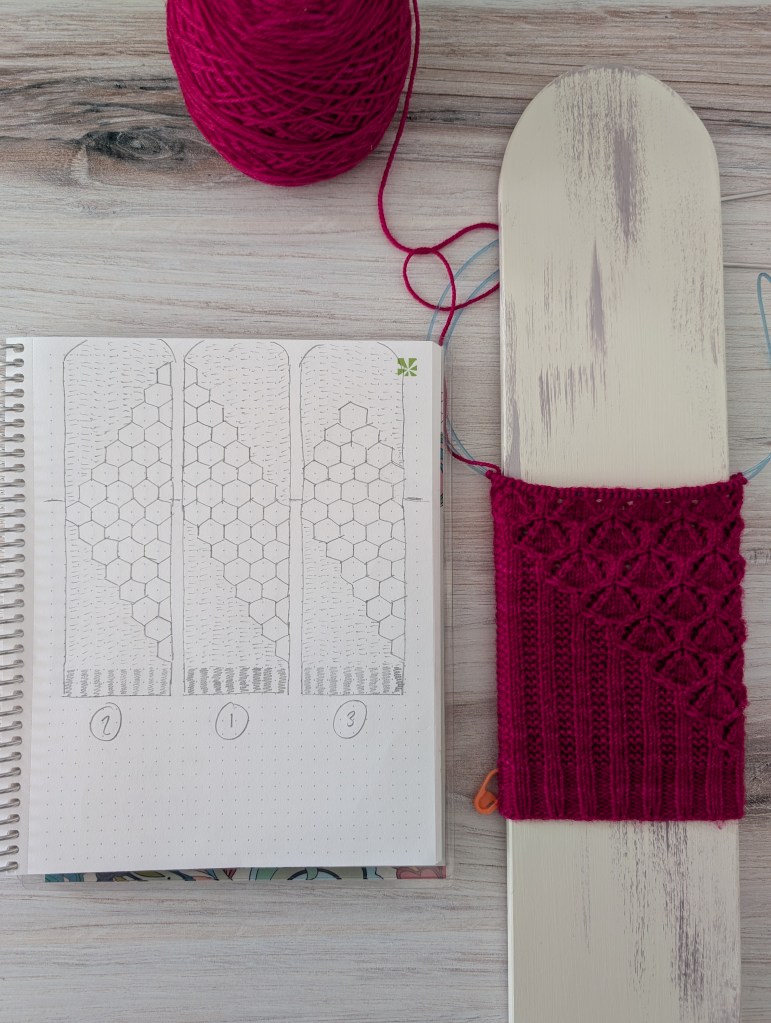
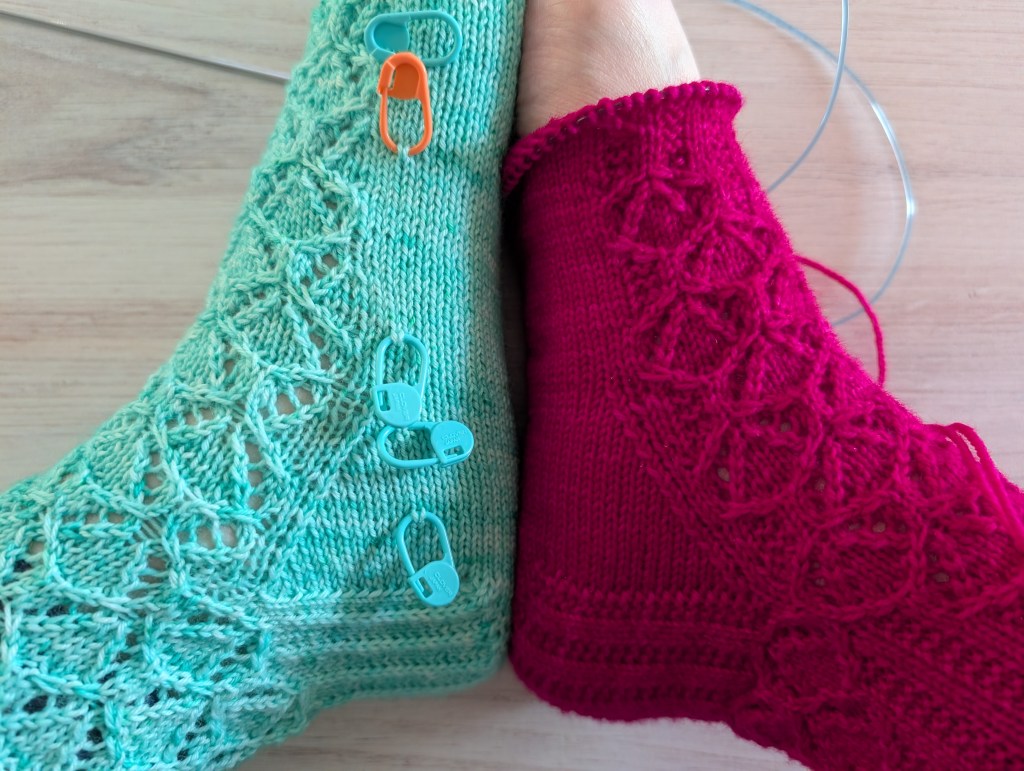
The design went through a few iterations before it finally landed where I liked. I’ve got about five different single socks or half-knit socks that I ruled out for the MKAL, but I may revisit a few of these designs in the future.
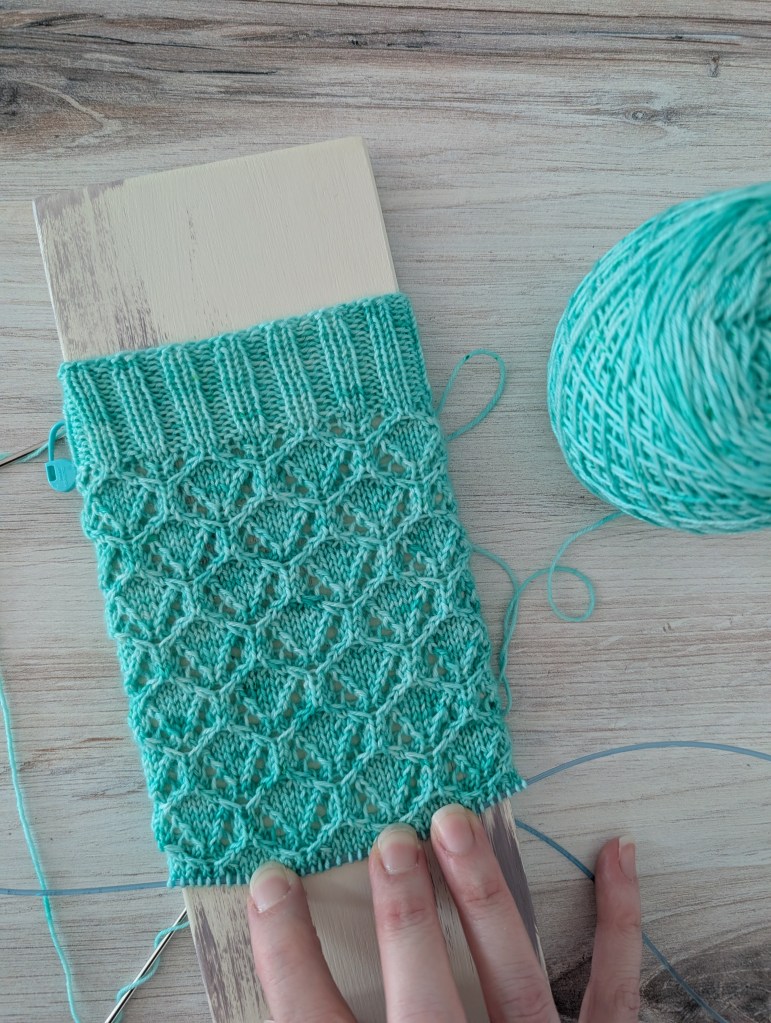
Approximately 17 swatches were knit while creating the design.
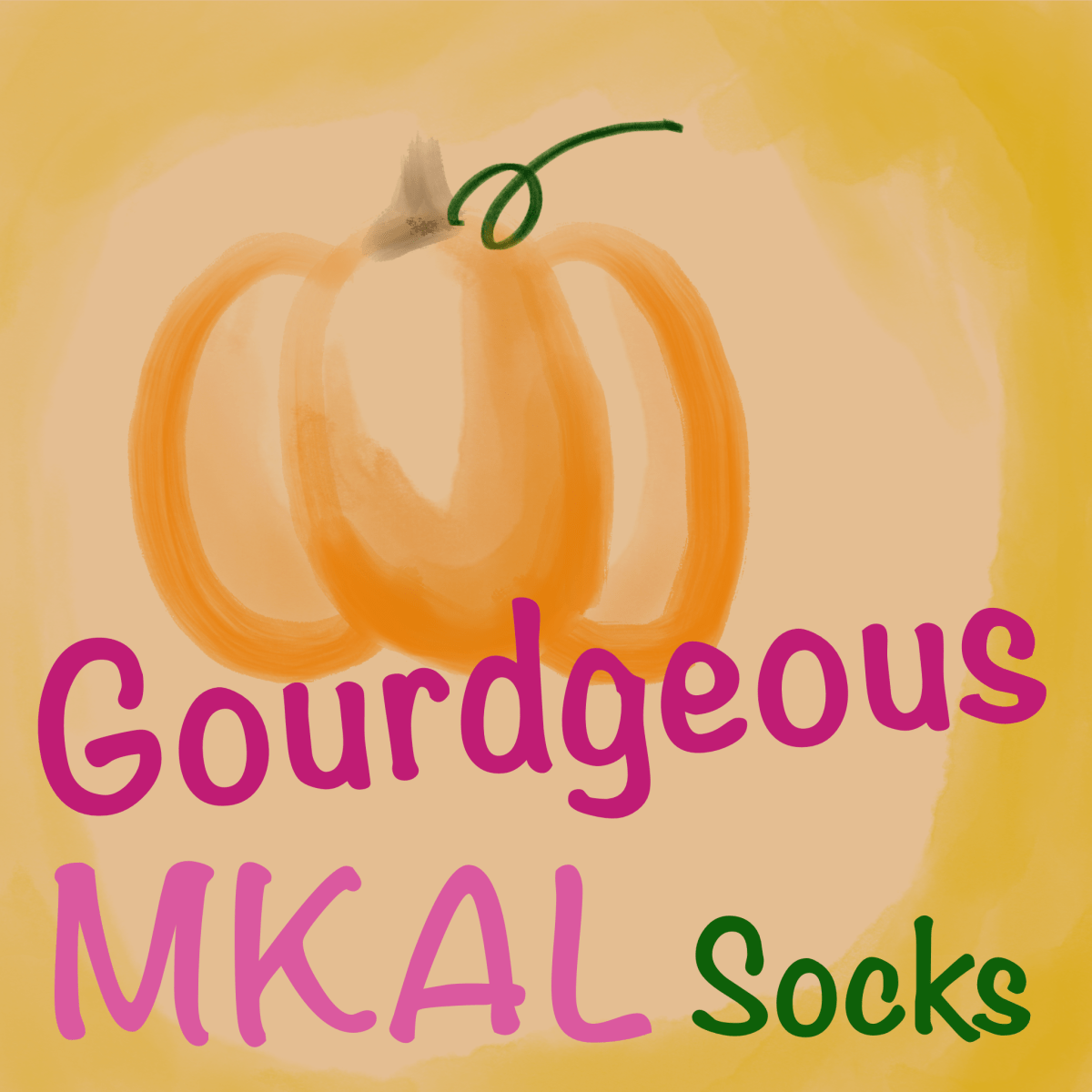
I’ve created a very non-professional, very hand-drawn pumpkin graphic to use as a spoiler shield for the pattern listing.
Will You Be Joining In?
What do you think? Do you love mysteries or prefer to see everything up front? Will you be joining in for the MKAL or waiting for the full pattern release? Which yarn will you choose? Let me know in the comments!